

Why Many Agency Websites Crash During Traffic Spikes
Launching a website is an exciting milestone for any business or digital agency. The design is polished, the content is ready, and everything seems to function perfectly during testing. However, many agencies experience an unexpected problem once their website begins attracting real attention — it crashes when traffic suddenly increases.
Traffic spikes often happen during successful marketing campaigns, viral social media posts, or when a website begins ranking well in Google. While increased traffic is usually a positive sign, it can also expose weaknesses in a website’s infrastructure.
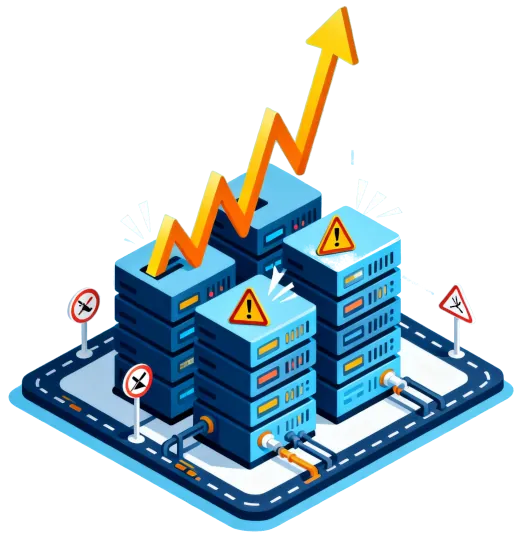
Many agency websites fail under heavy traffic because they are not built with performance, scalability, or monitoring in mind. When too many visitors access the site at the same time, servers become overloaded, pages load slowly, and in some cases the entire website goes offline.
To prevent these issues, many businesses rely on website Management Services that provide proactive monitoring, performance optimization, and infrastructure management. Reliable website maintenance and management services ensure websites remain stable even when unexpected traffic surges occur.
Companies that invest in professional Website Management services benefit from better performance, stronger security, and reduced downtime during high-traffic events.
Below are the three most common reasons why agency websites crash during traffic spikes.
1. Bad Hosting Infrastructure
One of the most common reasons websites crash during traffic spikes is poor hosting infrastructure. Many agencies choose low-cost shared hosting providers when launching a website. While this may work initially, it can quickly become a problem as traffic grows.
Shared hosting environments place hundreds or even thousands of websites on the same server. This means all websites share the same resources, including CPU power, memory, and bandwidth. If several websites experience high traffic at the same time, server resources can become exhausted.
Businesses that rely on their websites for leads or online sales often move to dedicated servers and Managed Website Hosting solutions. These environments are specifically designed to handle higher traffic loads and provide better performance stability.

Professional managed Hosting Services typically include optimized servers, security monitoring, and infrastructure designed for reliability. Many providers also include automated Website Backups and website Backup Services, which allow businesses to quickly restore their website if technical issues occur.
For agencies managing client websites, implementing website Security And Backups is especially important. Security vulnerabilities or unexpected server failures can cause downtime, but having reliable backups ensures that recovery is fast and data loss is minimized.
Example
Imagine a marketing agency launching an online campaign for a client. The campaign performs extremely well and thousands of users click the link within a short period of time.
If the website is hosted on a basic shared hosting server, the sudden surge in traffic may overwhelm the server. Instead of capturing leads or sales, the website becomes slow or crashes entirely. Visitors leave, advertising budget is wasted, and the brand’s credibility suffers.
Better hosting infrastructure would prevent this problem.
2. No Scalable Infrastructure
Another major cause of website crashes during traffic spikes is the lack of scalability.
Scalability means a website can automatically increase its resources when demand grows. Without scalability, a website is limited to the capacity of a single server. Once that limit is reached, performance begins to decline.
This situation can be compared to a physical store that only has space for ten customers at a time. If a hundred customers arrive simultaneously, most of them will not be able to enter.
The same principle applies to websites.
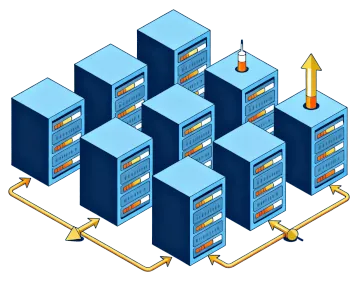
Modern infrastructure solutions distribute traffic across multiple servers using technologies such as load balancing and cloud scaling. These systems ensure that traffic is handled efficiently even when thousands of visitors access the website simultaneously.
Scalability is especially important for websites built using content management systems like WordPress. Businesses frequently rely on WordPress Maintenance Services and WordPress Website Support services to ensure their websites remain stable as traffic grows.
These services typically include database optimization, server tuning, plugin updates, and Website Performance Optimisation, which improves loading speed and overall efficiency.
Organizations that frequently run marketing campaigns or publish content also benefit from WordPress Management, where technical specialists monitor performance and adjust infrastructure when necessary.
Example
Consider an agency publishing an article about a trending industry topic. The article gets shared across social media platforms and suddenly receives tens of thousands of visitors within a few hours.
If the website runs on a single server without scalability, the traffic spike may overload the system. However, with scalable infrastructure in place, additional resources are automatically allocated to handle the traffic.
Visitors continue browsing the website without noticing any slowdown.
3. Lack of Monitoring and Technical Support
Even well-built websites can experience technical issues. Server outages, plugin conflicts, database errors, or security vulnerabilities can cause performance problems or downtime.
Without proper monitoring, these issues may remain undetected for hours or even days.
This is why many businesses implement website Monitoring Services that track uptime, response times, and system performance in real time. Monitoring tools constantly check whether the website is functioning correctly and alert administrators if any problems occur.
Businesses that depend heavily on their online presence often implement Website Uptime Monitoring to ensure that their websites remain available to visitors around the clock.

When problems occur, access to 24/7 Website Support becomes extremely valuable. Technical specialists can quickly investigate and resolve issues before they significantly impact users.
Companies that require consistent reliability often rely on Technical Website Support and Website Support Services to maintain their website infrastructure and prevent unexpected downtime.
Example
A website owner updates a plugin or theme on their website. Unfortunately, the update conflicts with another component, causing the website to display an error page.
Without monitoring systems in place, the owner may not realize the problem until customers begin reporting it.
With real-time monitoring, the issue is detected immediately and the support team can resolve it before most visitors notice the problem.
The Importance of Ongoing Website Support
A website should never be treated as a one-time project. Technology constantly evolves, and websites require regular updates, maintenance, and monitoring to remain secure and efficient.
This is why many organizations invest in Ongoing Website Support to maintain the long-term health of their websites.
Ongoing support services typically include:
- Website Update Services for plugins, software, and system updates
- CMS Support Services for managing platforms like WordPress
- WordPress Website Support to maintain compatibility and stability
- proactive maintenance and troubleshooting
For agencies managing multiple websites, having a dedicated support structure ensures that technical issues are identified and resolved quickly.
Website Performance and SEO Are Closely Connected
Website performance is not only important for user experience, but also for search engine rankings.
Search engines evaluate multiple technical factors when ranking websites, including loading speed, uptime, and page stability. Websites that load slowly or frequently experience downtime may struggle to rank well in search results.
This is why many businesses invest in SEO Optimisation Services together with Technical SEO Services. These services focus on improving website architecture, page speed, and crawlability so search engines can properly index the site.
Combining these improvements with Website Performance Optimisation ensures that websites remain fast, reliable, and visible in search results.
The Real Cost of Website Downtime
Many businesses underestimate how damaging website downtime can be.
When a website crashes during a traffic spike, the consequences can include:
- lost leads and sales
- wasted advertising budget
- frustrated customers
- reduced search engine rankings
- damaged brand reputation
For agencies that rely on their websites to attract new clients, downtime can directly impact revenue.
Investing in reliable hosting, scalable infrastructure, monitoring, and maintenance significantly reduces these risks.
Final Thoughts
Traffic spikes should be an opportunity for growth, not a technical disaster.
Unfortunately, many agency websites fail at the moment when they receive the most attention. In most cases, the causes are predictable and preventable.
Poor hosting infrastructure, lack of scalability, and missing monitoring systems are the three primary reasons websites crash during high traffic events.
By implementing proper hosting solutions, scalable infrastructure, continuous monitoring, and professional support, businesses can ensure their websites remain stable even during large traffic surges.
Reliable website management allows agencies to focus on growing their business while knowing their digital infrastructure is prepared for success.
Our Pricing Plans
Below are our core packages — from lean starter options to full-scale, enterprise-level solutions. We tailor each plan depending on your business size, goals and budget.
Basic
£29/month
- Managed website hosting (dedicated server)
- 24/7 uptime monitoring
- Daily backups saves for one month
- Email Support
- Basic Security Monitoring
- SSL certificate
Standard
£59/month
- Managed website hosting (dedicated server)
- 24/7 uptime monitoring
- Daily backups saves for one month
- Priority Support
- Advanced Security Monitoring
- Standard High availability support
- SSL certificate
Premium
£99/month
- Managed website hosting (dedicated server)
- 24/7 uptime monitoring
- Daily backups saves for one month
- Priority Support 24/7
- Premium Security Monitoring
- Premium High availability support in two regions
- Scalable Clustered solution
- SSL certificate